Place a persistent machine, sign in to CS-Linux or boot CS-DOS, then
write, compile, measure, and connect programs inside a bounded guest
computer—not the host operating system.
Every identity keeps its hardware profile, guest disk, and terminal
state across normal world reloads.
Specification
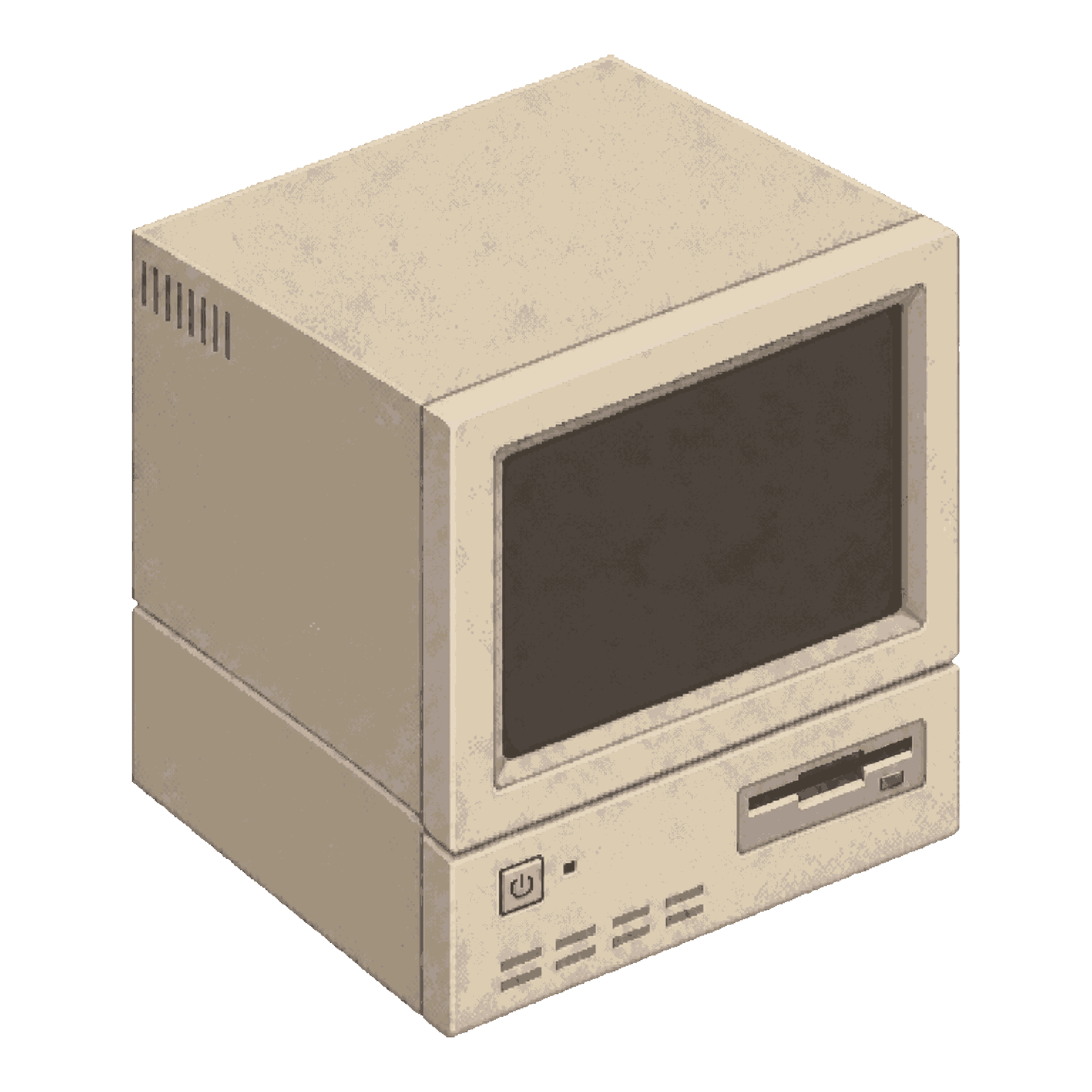
Desktop
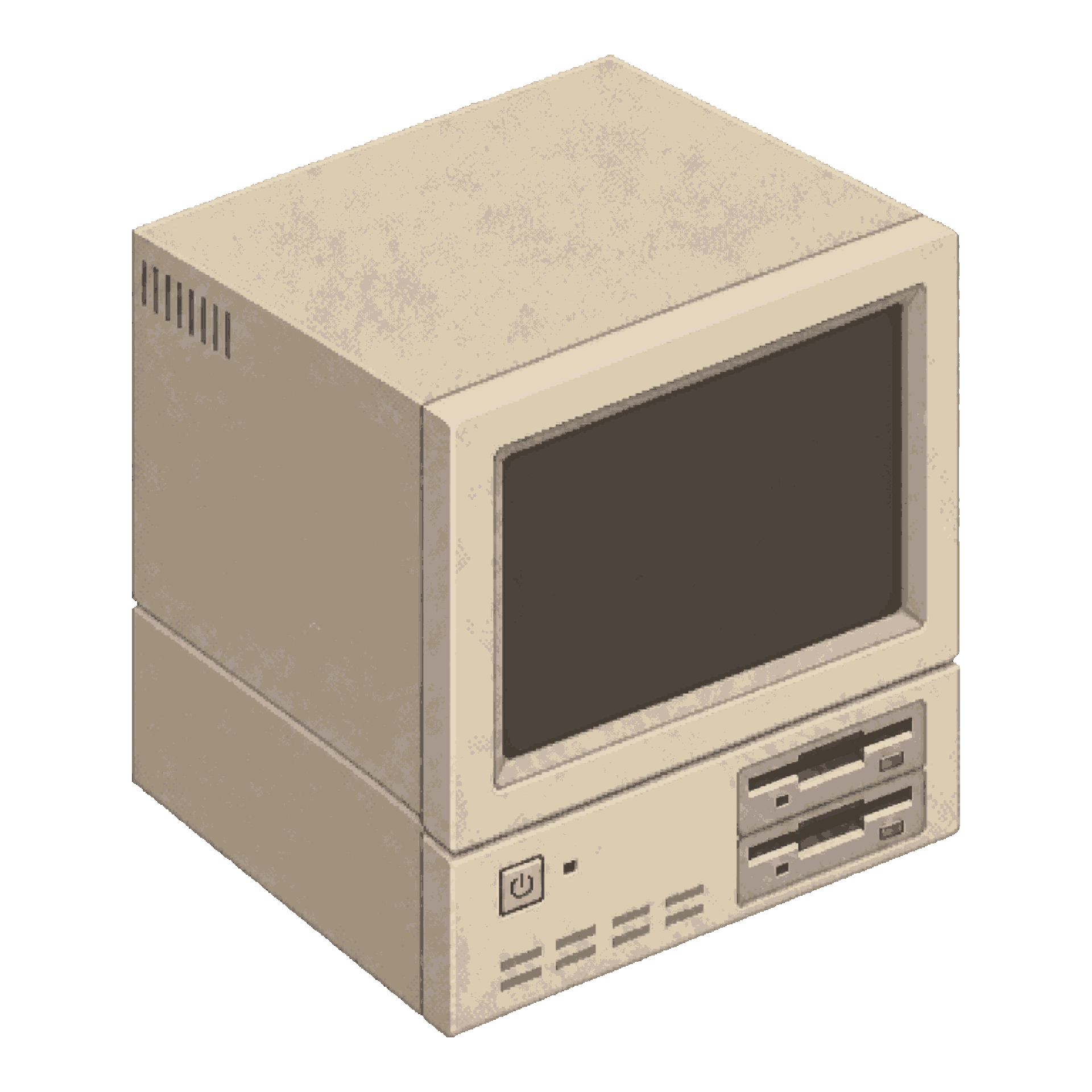
Advanced Desktop
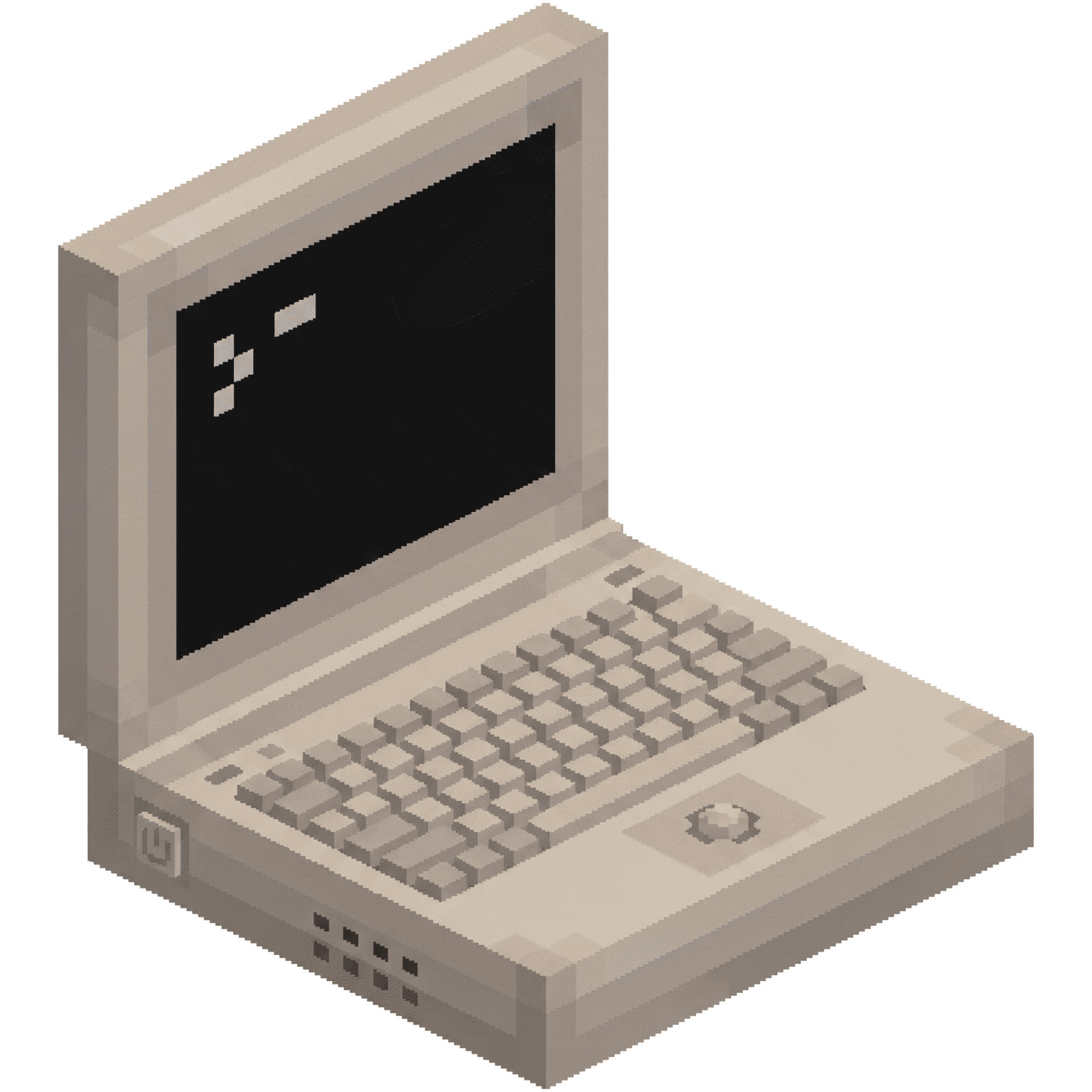
Portable
Processor
CS486DX · 33 MHz
CS486DX2 · 66 MHz
CS386SX · 16 MHz
Memory
2 MiB
8 MiB
2 MiB
Fixed disk
40 MiB IDE
80 MiB IDE
20 MiB IDE
Default OS
CS-Linux 1.0
CS-Linux 1.0
CS-DOS 1.0
Display
Built-in 640x480 CRT
Built-in 640x480 CRT
Built-in LCD
Languages
Python, CS ASM 1.0, CS C/C++ 1.0; no BASIC
Python, CS ASM 1.0, CS C/C++ 1.0; no BASIC
CS ASM 1.0, CS C/C++ 1.0, CS QBASIC 1.0; no user Python
Scroll the comparison horizontally on narrow screens.
Publication 02 · Operating profiles
Two operating systems. One bounded machine model.
Desktop profile
CS-Linux 1.0
Multi-user accounts, UID/GID permissions, processes, jobs, logs,
shell tools, and Computer System Python on the CS486 desktops.
cs@c-xxxxxx:/home/cs$ ps -f
cs@c-xxxxxx:/home/cs$ python /startup.py
cs@c-xxxxxx:/home/cs$ run --stats /program
Portable profile
CS-DOS 1.0
Drive-local directories, FAT metadata, bounded batch programs, DOS
utilities, plus the CS ASM 1.0, CS C/C++ 1.0, and CS QBASIC 1.0
toolchains on the CS386SX portable.